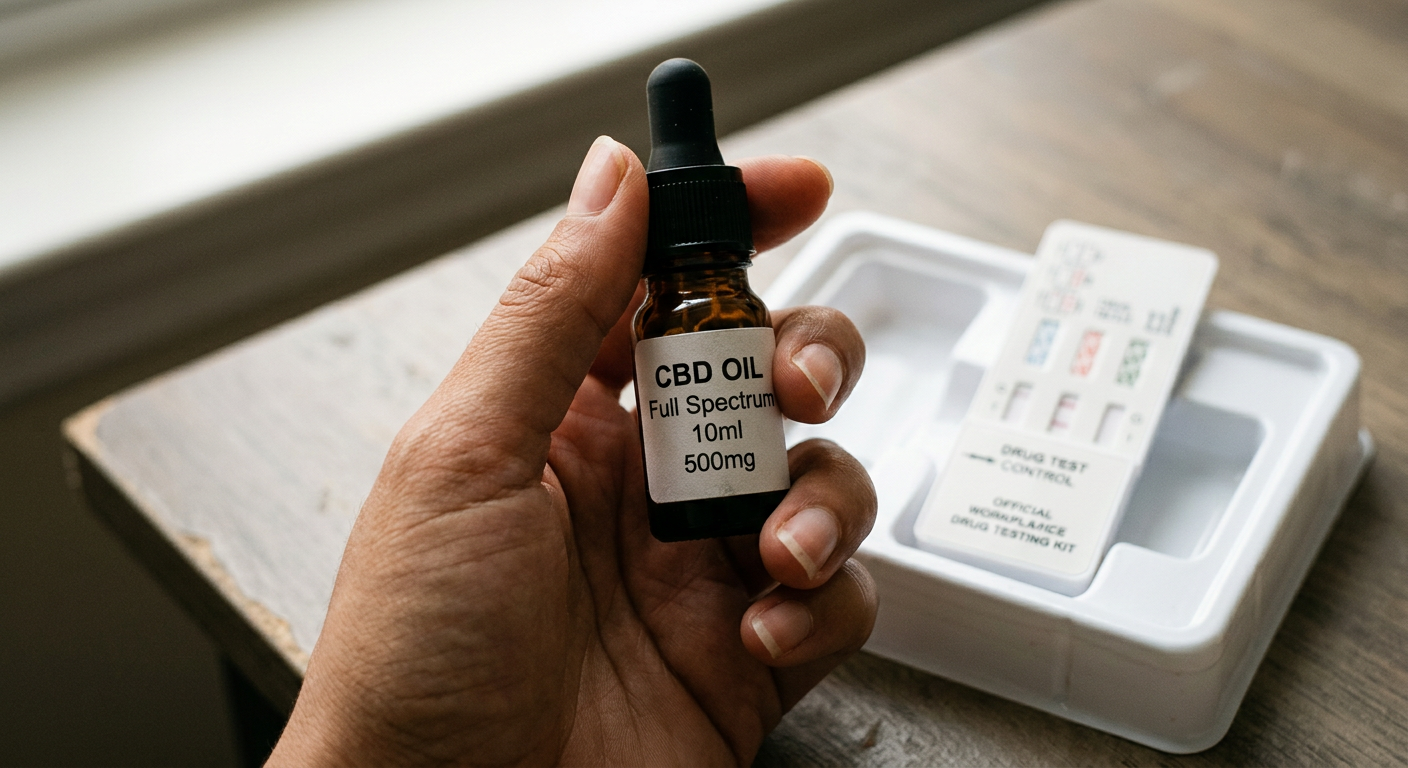
Picture this: You’ve been using CBD oil for weeks to manage anxiety or chronic pain, and it’s working. Then your employer announces mandatory drug testing next Friday. Suddenly, that sense of calm turns into panic. Will CBD show up on a drug test and cost me my job?
You’re not alone. This question haunts millions of CBD users across the United States — from warehouse workers to professional athletes, from veterans managing PTSD to nurses seeking pain relief. As CBD’s popularity has exploded into a $5.3 billion industry, with an estimated 26% of American adults having tried CBD at least once, the intersection of CBD use and workplace drug testing has become one of the most pressing concerns for everyday consumers.
Here’s the short answer you need right now: Pure CBD itself does not show up on standard drug tests. However — and this is a critical “however” — many CBD products contain enough THC to trigger a positive result, even when labels claim otherwise.
Drug tests aren’t designed to detect cannabidiol (CBD). They’re engineered to identify THC metabolites, the chemical byproducts of tetrahydrocannabinol, marijuana’s psychoactive compound. The problem lies in the fact that the CBD industry remains inconsistently regulated, meaning the product in your medicine cabinet might contain significantly more THC than its label admits.
In this comprehensive guide, you’ll learn exactly how drug tests work, which CBD products pose the highest risk, what factors increase your chances of a positive result, and — most importantly — how to protect yourself if you choose to use CBD while facing potential testing. Whether you’re a first-time CBD user or a long-time consumer, this information could save your career, your athletic eligibility, or your legal standing.
Let’s separate fact from fear and give you the knowledge to make truly informed decisions.
Understanding CBD and THC: Why the Difference Matters
What Is CBD?
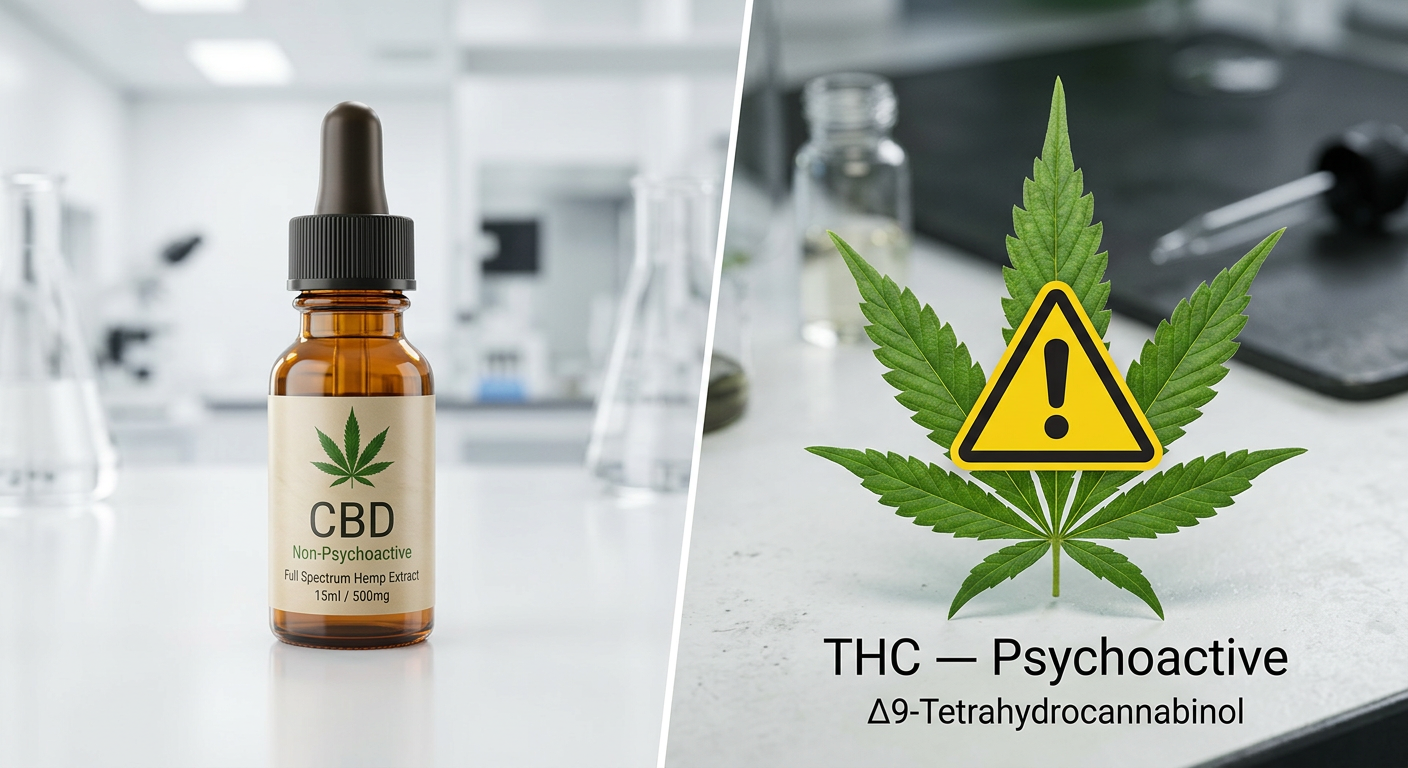
Cannabidiol (CBD) is one of over 100 naturally occurring compounds called cannabinoids found in cannabis plants. Unlike its more famous chemical cousin THC, CBD is entirely non-psychoactive — meaning it will not get you high, alter your perception, or impair cognitive function.
Following the landmark 2018 Farm Bill, hemp-derived CBD became federally legal in the United States, provided the final product contains no more than 0.3% THC by dry weight. This legislative shift opened floodgates for CBD-infused products ranging from oils and capsules to gummies, topicals, beverages, and pet treats.
Consumers turn to CBD for a wide range of reported benefits:
- Anxiety and stress reduction
- Chronic pain management
- Improved sleep quality
- Inflammation reduction
- Epilepsy management (the FDA-approved drug Epidiolex contains CBD)
- General wellness support
What Is THC?
Tetrahydrocannabinol (THC) is the primary psychoactive compound in cannabis. It binds directly to CB1 receptors in the brain, producing the euphoric “high” associated with marijuana use. THC remains a Schedule I controlled substance under federal law and is restricted or prohibited in numerous states.
THC is the sole target of virtually every standard drug test because it’s the compound associated with impairment. Employers, courts, and athletic organizations care about THC — not CBD — when testing for cannabis use. This distinction is fundamental to understanding your risk profile.
The Critical Relationship Between CBD and THC
Both compounds come from the Cannabis sativa plant, but their concentrations differ dramatically depending on the strain. Hemp plants are selectively cultivated to produce high CBD content and minimal THC. Marijuana plants are bred for high THC.
The legal threshold of 0.3% THC sounds negligibly small, but consider this: if you’re consuming high daily doses of full-spectrum CBD oil, even that tiny percentage can represent meaningful THC accumulation in your body’s fatty tissues over time. This is where many users unknowingly cross into dangerous territory.
How Drug Tests Actually Work
Understanding the mechanics of drug testing is essential for accurately assessing your personal risk.
Types of Drug Tests
| Test Type | Detection Window | Common Use Cases |
|---|---|---|
| Urine | 3–30+ days | Workplace, probation, pre-employment |
| Blood | 1–7 days | DUI investigations, accidents |
| Hair Follicle | Up to 90 days | High-security employment |
| Saliva | 24–72 hours | Roadside testing, sports |
Urine testing dominates the workplace drug testing landscape, accounting for approximately 90% of all employment drug screens. It’s cost-effective, non-invasive, and provides a reasonably wide detection window.
What Drug Tests Actually Screen For
Here’s the science that matters most: standard drug tests do not test for CBD. They test for THC-COOH (11-nor-9-carboxy-THC), the primary metabolite produced when your body processes THC.
When you consume THC, your liver converts it into several metabolites. THC-COOH is lipophilic — it binds to fat cells and releases slowly over time, which is why cannabis detection windows are longer than most other substances.
CBD does not metabolize into THC-COOH. Therefore, a person who consumed pure CBD isolate would test negative on a standard immunoassay drug screen every single time.
Standard Testing Thresholds
- Federal workplace urine testing cutoff: 50 ng/mL (initial screening)
- Confirmation test cutoff (GC-MS): 15 ng/mL
- SAMHSA-certified laboratory standard: Same federal thresholds
These numbers become your benchmark for understanding risk. The question isn’t whether you’ve consumed CBD — it’s whether THC-COOH concentrations in your urine exceed these thresholds.
CBD Product Types and Their THC Risk Levels
Not all CBD products are created equal, and their THC content varies dramatically.
Full-Spectrum CBD — HIGH RISK
Full-spectrum CBD contains the complete profile of cannabinoids naturally found in hemp, including CBD, CBN, CBG, terpenes, flavonoids, and THC up to the legal 0.3% limit.
The appeal: Many users and researchers believe full-spectrum products deliver superior results through the “entourage effect” — the theory that cannabinoids work synergistically to enhance each other’s therapeutic benefits.
The risk: Regular use of high-dose full-spectrum CBD can accumulate enough THC in your system to trigger a positive drug test. A 2020 study in the Journal of Analytical Toxicology confirmed that participants using full-spectrum CBD tested positive at the 50 ng/mL threshold following sustained use.
Broad-Spectrum CBD — LOW TO MODERATE RISK
Broad-spectrum products undergo additional processing to remove THC while retaining other beneficial cannabinoids and terpenes.
The appeal: Users still receive multi-cannabinoid benefits with significantly reduced THC exposure.
The risk: “THC-free” labeling is not always accurate. Manufacturing processes aren’t perfect, and trace THC amounts may remain. Third-party lab verification is essential when choosing broad-spectrum products.
CBD Isolate — LOWEST RISK
CBD isolate is the purest form available — typically 99%+ pure cannabidiol with all other plant compounds removed, including THC.
The appeal: Maximum safety for drug test purposes with zero theoretical risk from THC.
The trade-off: No entourage effect, and some users report less robust results compared to full-spectrum formulations.
Can CBD Cause a Positive Drug Test? The Honest Truth
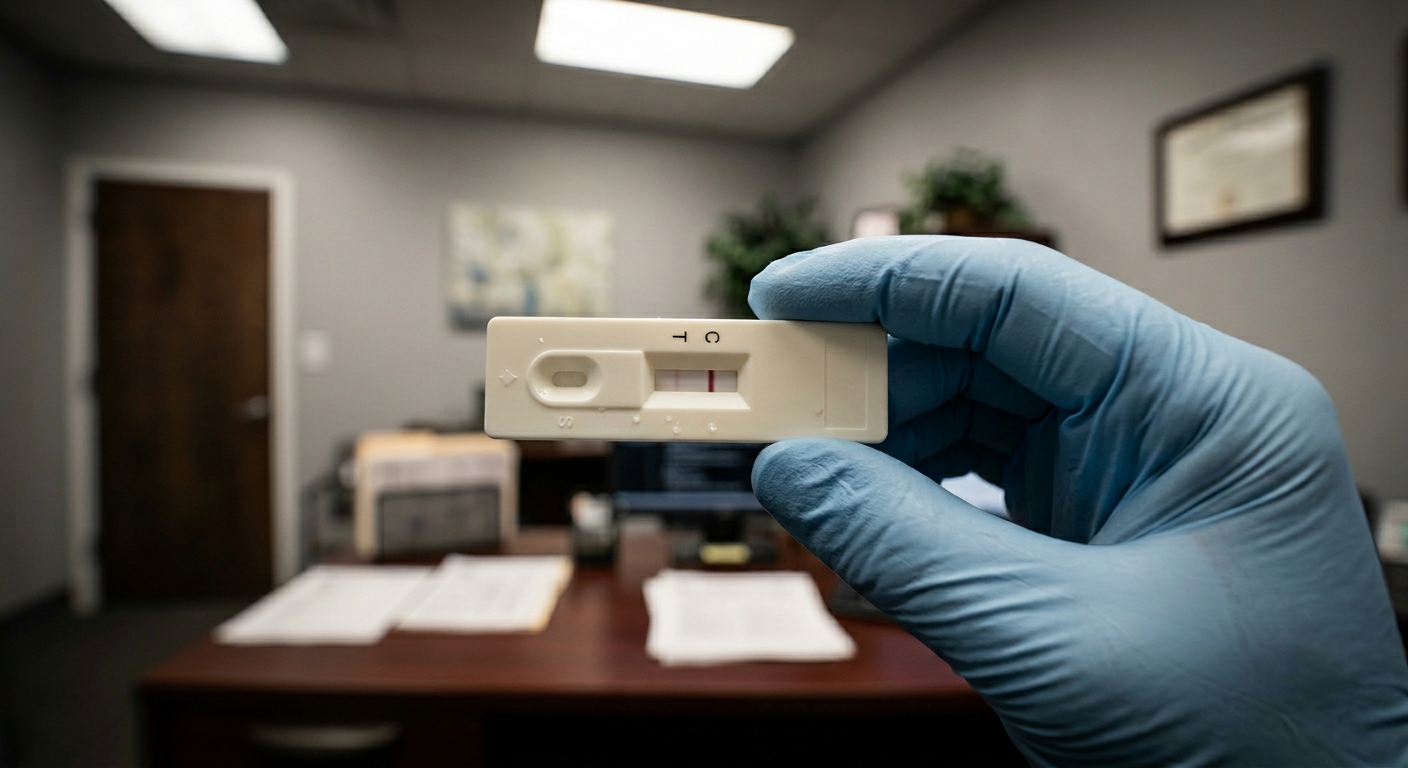
Pure CBD will not cause a positive drug test. However, the CBD product you’re actually using may not be pure CBD — and that’s where millions of users unknowingly expose themselves to risk.
Why CBD Users Fail Drug Tests
1. Mislabeled Products
A landmark 2017 Penn Medicine study analyzed 84 commercially available CBD products and found that 69% were mislabeled. Some contained significantly more THC than their labels stated. The FDA has repeatedly issued warning letters to CBD companies making inaccurate claims about their products’ contents.
2. Cross-Contamination During Manufacturing
Many CBD manufacturers produce multiple product lines using shared equipment. If proper cleaning protocols aren’t followed, THC-containing products can contaminate CBD isolate or broad-spectrum batches.
3. High-Dose Consumption
Consumers using large daily doses of full-spectrum CBD — sometimes exceeding 1,000mg — may be ingesting enough cumulative THC to register on drug tests. A 150-pound person consuming 2,000mg of full-spectrum CBD daily could theoretically consume 6mg of THC — enough to accumulate detectably.
4. Unregulated Manufacturers
Without mandatory third-party testing requirements in the CBD industry, disreputable manufacturers can make any claims on their labels. Products marketed as “THC-free” may contain significant THC concentrations.
Real-World Statistics
- The FDA found that some CBD products contained two to three times more THC than legally permitted
- A 2020 JAMA study found that 26% of CBD products purchased online contained less CBD than labeled
- The U.S. Anti-Doping Agency has documented numerous athlete violations attributed to contaminated CBD products
Factors That Increase Your Risk of a Positive Test
Product Quality and Source
The single most important risk factor is product quality. Reputable manufacturers provide Certificates of Analysis (COA) from independent, ISO-accredited laboratories. A COA should confirm:
- Exact cannabinoid percentages (including THC)
- Absence of pesticides, heavy metals, and solvents
- Batch-specific testing (not generic)
- Testing by a laboratory with no financial relationship to the brand
Red flag: Any brand that cannot provide a current, product-specific COA from a third-party lab.
Dosage and Frequency
Daily high-dose users face exponentially higher risk. THC is lipophilic — it stores in fatty tissue and releases gradually. Heavy users may test positive for weeks after discontinuing use. Body composition matters significantly; individuals with higher body fat percentages store and release THC metabolites differently than leaner individuals.
Individual Metabolism
Your unique biology influences how quickly THC metabolites clear your system:
- Body weight and fat percentage — Higher fat content means longer storage
- Metabolic rate — Faster metabolism accelerates clearance
- Hydration levels — Adequate hydration supports excretion
- Exercise habits — Physical activity can temporarily increase blood THC concentrations as fat cells release stored metabolites
Product Delivery Method and Risk Level
- Topicals: Lowest systemic absorption risk
- Isolate products: Lowest THC risk regardless of method
- Oils/tinctures: Moderate risk with full-spectrum formulations
- Edibles: Higher risk due to dosage variability
- Vapes: Variable risk; delivery method doesn’t eliminate THC content risk
How to Avoid Failing a Drug Test While Using CBD
1: Choose Your Product Type Strategically
If drug testing is a realistic possibility in your life, CBD isolate is your safest option. Broad-spectrum products from verified, reputable manufacturers are a reasonable middle ground. Avoid full-spectrum products entirely if you face regular or random testing.
2: Demand Third-Party Testing Documentation
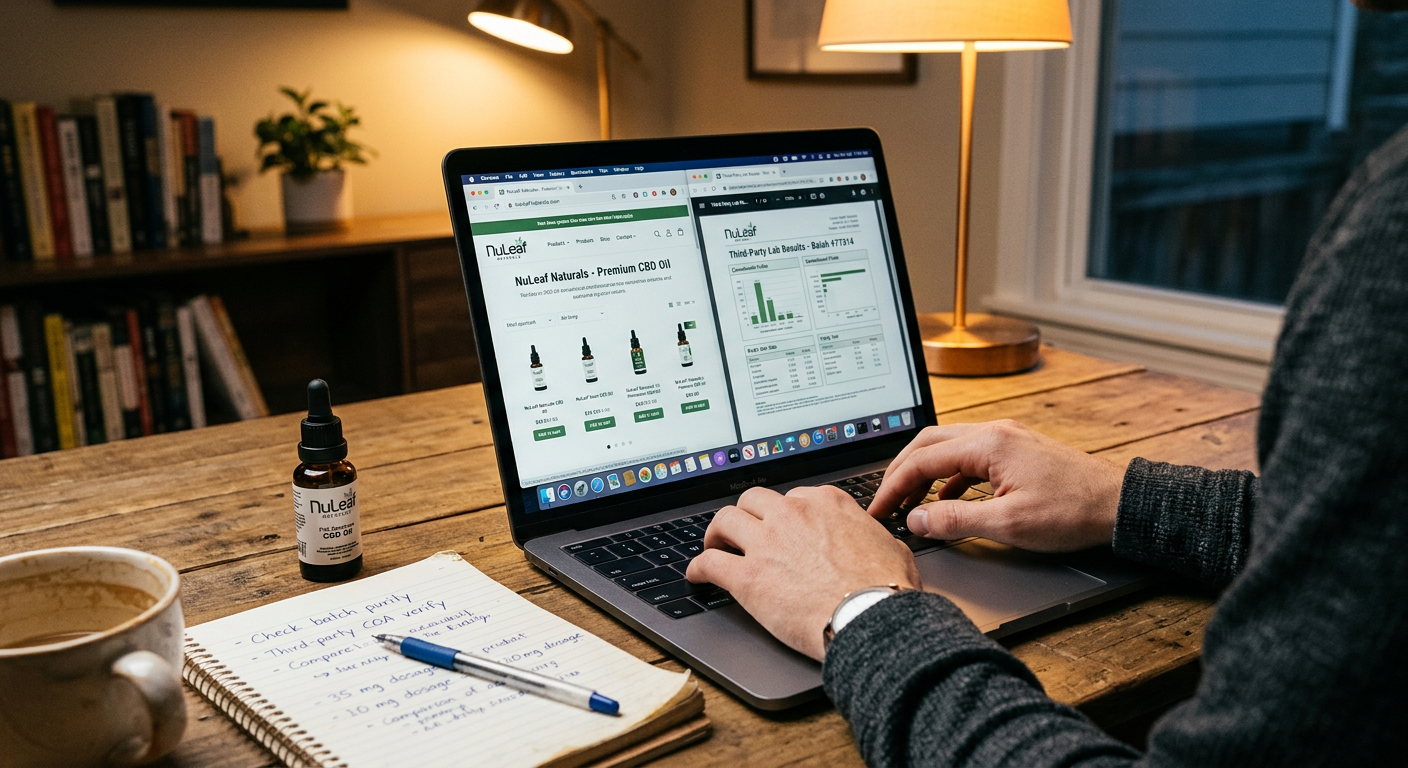
Before purchasing any CBD product, request or verify the COA. Legitimate brands publish these documents prominently on their websites. Look specifically for the THC percentage reported at the batch level, not the product category level. Anything above 0.0% requires careful consideration.
3: Research Brands With Scientific Rigor
Look for brands that:
- Have been independently reviewed by consumer watchdog organizations
- Disclose their hemp sourcing (domestic, organically grown hemp is preferable)
- Have positive, verified customer reviews regarding product consistency
- Operate transparently about their extraction and testing processes
4: Know Your Detection Window and Testing Schedule
If you know a test is upcoming, consider discontinuing CBD use — particularly full-spectrum products — with adequate lead time:
- Urine test: Stop full-spectrum use 2–4 weeks before testing (heavy users may need longer)
- Blood test: Stop 1 week before
- Saliva test: Stop 72 hours before
- Hair test: Discuss with a medical professional; detection windows extend to 90 days
5: Understand Your Industry’s Specific Requirements
- DOT-regulated employees (truck drivers, pilots, transit workers): Zero tolerance under federal regulations
- Military personnel: Absolute zero tolerance; even trace amounts represent career-ending risk
- Professional athletes: Consult WADA, NCAA, or league-specific guidelines; policies are evolving
- Healthcare workers: Facility policies vary; check your specific employer’s testing standards
- Federal employees: Subject to strict federal law regardless of state CBD legality
Best Practices Checklist
Purchase only from brands with verified third-party COAs
Choose CBD isolate or verified THC-free broad-spectrum
Start with the lowest effective dose
Keep records of your product purchases and lab results
Know your employer’s drug testing policy in writing
Discontinue use well before any scheduled testing
Consider THC-free alternatives if testing is frequent or random
What to Do If You Test Positive

Request Confirmation Testing Immediately
Initial immunoassay screenings have a meaningful false-positive rate. You have the right to request Gas Chromatography-Mass Spectrometry (GC-MS) confirmation testing, which is far more precise. Many initial positives don’t survive confirmation testing.
Gather Your Documentation
Compile every piece of relevant documentation:
- Product labels with ingredient lists
- Certificates of Analysis from the specific batch you used
- Purchase receipts showing product names and dates
- Any medical documentation supporting your CBD use
Understand Your Legal Standing
Here’s an uncomfortable truth: CBD use, even legal CBD use, provides limited legal protection in most employment contexts. Employers retain broad authority to enforce drug-free workplace policies. However:
- Some states have enacted employment protections for lawful cannabis use
- Medical review officers (MROs) are required to review positive tests and consider legitimate explanations
- If you have a prescription for Epidiolex (FDA-approved CBD medication), document this carefully
Consult an Employment Attorney
If your employment is threatened following a positive test you believe stems from legal CBD use, consulting an employment attorney familiar with your state’s cannabis laws is advisable. This is particularly important in states with stronger employee protections.
Special Considerations for High-Stakes Testing Scenarios
Federal Employees and DOT-Regulated Workers
Federal workplace drug testing policies operate entirely under federal law — where THC remains Schedule I regardless of state law. Transportation workers regulated by the Department of Transportation face particularly strict standards. For these individuals, no amount of CBD use is risk-free.
Athletic Drug Testing
Sports organizations have varying but generally strict policies:
- WADA removed CBD from its prohibited list in 2018, but all other cannabinoids, including THC, remain prohibited
- The NCAA tests for THC and has varying threshold levels
- Professional sports leagues are actively updating policies; some (like the NFL and MLB) have relaxed THC policies in recent years
- Olympic athletes should consult their sport’s specific international federation guidelines
Legal and Court-Ordered Testing
If you’re subject to probation, parole, or court-ordered drug testing, treating any CBD use as an unacceptable risk is strongly advisable. Judges and probation officers generally do not recognize CBD use as a mitigating factor for THC-positive results.
The Science Behind the Headlines
Key Research Findings
A Johns Hopkins University study (2020) examined participants using varying doses of full-spectrum CBD and found that those consuming the highest doses produced urine samples exceeding the 50 ng/mL federal cutoff — definitively linking product THC content, not CBD itself, to positive results.
The Journal of Analytical Toxicology has published multiple studies confirming that CBD does not cross-react with standard immunoassay tests designed to detect THC-COOH. This means CBD itself is chemically incapable of producing a positive result on properly calibrated equipment.
The FDA’s ongoing sampling program continues to identify mislabeled CBD products with THC content exceeding legal limits — providing scientific validation for consumer skepticism about unverified products.
Toxicologist Dr. Joanna Fowler of Brookhaven National Laboratory has noted that the variability in CBD product quality represents “one of the most significant public health information gaps in the current cannabis landscape.”
The Future of CBD and Drug Testing
The landscape is evolving rapidly. Several significant developments are reshaping the CBD-drug testing relationship:
Evolving Workplace Policies: Several major corporations have quietly removed marijuana from their pre-employment drug screening panels. As cannabis legalization expands, workplace policies are slowly becoming more nuanced.
CBD-Specific Testing: Researchers are actively developing tests that can distinguish between THC metabolites from CBD product contamination versus intentional marijuana use. However, widespread implementation remains years away.
Regulatory Improvements: The FDA continues developing a comprehensive regulatory framework for CBD products. Mandatory third-party testing requirements — currently absent — would dramatically reduce mislabeling and consumer risk.
Industry Standardization: Organizations like the U.S. Hemp Authority are developing voluntary certification programs that provide consumers with greater confidence in product quality claims.
Legislative Changes: Multiple states are considering or have passed legislation creating clearer frameworks for CBD in the workplace, suggesting a gradual national trend toward more sophisticated policies that distinguish between CBD and marijuana use.
Frequently Asked Questions
How long does CBD stay in your system?
CBD itself typically clears the body within 24–48 hours for occasional users and up to a week for heavy users. However, since tests don’t screen for CBD, this is less relevant than the question of how long THC metabolites persist — which can range from 3 days to over 30 days depending on frequency, dosage, and individual metabolism.
Can secondhand CBD smoke cause a positive drug test?
The risk is extremely low for CBD-only products. However, if someone is smoking marijuana near you, secondhand THC exposure in poorly ventilated environments could theoretically contribute to detectable levels — though this scenario requires prolonged, intense exposure.
Will CBD gummies show up on a drug test?
CBD gummies themselves won’t show up, but THC content in those gummies can. Full-spectrum CBD gummies pose the highest risk. Always check the COA of any edible CBD product before consuming it.
Can you get fired for using legal CBD?
Yes, in most states and most circumstances, employers can legally terminate employees who test positive for THC, even when the source was legal CBD. A small number of states have enacted protections for lawful cannabis use, but these remain exceptions rather than the rule.
How much CBD will cause a failed drug test?
There’s no universal threshold because it depends on the product’s THC content, your dosage, frequency, metabolism, and body composition. Research suggests that consuming high doses (1,000+ mg/day) of full-spectrum CBD creates meaningful risk of a positive result.
Are there truly THC-free CBD products?
CBD isolate from a reputable manufacturer is the closest to truly THC-free, but even “0.0% THC” claims should be verified against batch-specific COAs from independent labs. The term “THC-free” on a label is marketing language, not a guarantee.
Can topical CBD cause a positive drug test?
Topical CBD products (creams, lotions, balms) have extremely low systemic absorption and present the lowest risk among all CBD delivery methods. However, transdermal patches designed for systemic delivery carry more risk than standard topicals.
What’s the difference between hemp CBD and marijuana CBD?
Both hemp and marijuana belong to the cannabis plant family. The legal distinction is THC content: hemp contains 0.3% THC or less, while marijuana contains higher concentrations. CBD derived from hemp is federally legal; CBD derived from marijuana is subject to state marijuana laws.
Will a medical CBD card protect me from drug test consequences?
No. While a legitimate prescription for Epidiolex (FDA-approved CBD medication) provides meaningful documentation, it does not legally protect you from employer drug test policies in most jurisdictions. There is no federally recognized “medical CBD card.”
How accurate are at-home drug tests for CBD users?
At-home urine tests can provide useful preliminary information, but they use the same immunoassay technology as initial workplace screens and carry similar false-positive rates. Use them as guidance only, not as definitive proof you’ll pass a professional test.
Making Informed Decisions About CBD and Drug Testing
Let’s return to where we started — that moment of panic when your employer announces drug testing. Here’s what you now know that will serve you far better than fear:
CBD itself does not show up on drug tests. The scientific evidence on this point is unambiguous. Standard tests don’t look for CBD, and CBD doesn’t metabolize into compounds that standard tests detect.
The real danger is THC contamination in CBD products. An insufficiently regulated industry, combined with widespread mislabeling and inconsistent manufacturing practices, means that the CBD product in your cabinet might contain significantly more THC than its label claims.
Your risk is manageable with informed choices. By selecting CBD isolate or verified broad-spectrum products with current, batch-specific COAs from independent laboratories, you can dramatically reduce — and in many cases eliminate — your risk of a THC-triggered positive test.
Know your specific testing context. Federal employees, DOT-regulated workers, military personnel, and athletes operate under different and often stricter standards than general workplace employees. Understand your specific regulatory environment before making any decisions about CBD use.
The industry is improving, but slowly. Until comprehensive federal regulation mandates accurate labeling and third-party testing, consumer vigilance remains the most reliable protection.
The bottom line is this: CBD can be a valuable wellness tool, but it’s not without risk in a drug-testing world. That risk is manageable — but only if you’re armed with accurate information and committed to product quality verification.
Your Next Step
Before purchasing your next CBD product, take 10 minutes to:
- Request or locate the current batch COA from the manufacturer’s website
- Verify that a genuinely independent, ISO-accredited laboratory conducted the testing
- Confirm the exact THC percentage at the batch level
- Cross-reference the brand against consumer review platforms and the FDA’s warning letter database
Your career, athletic eligibility, and legal standing are worth those 10 minutes. Share this article with a friend or colleague who uses CBD and faces drug testing — this information could make a critical difference in their life. And if you have questions or personal experiences with CBD and drug testing, drop them in the comments below. Your real-world insights help the entire community make better decisions.