
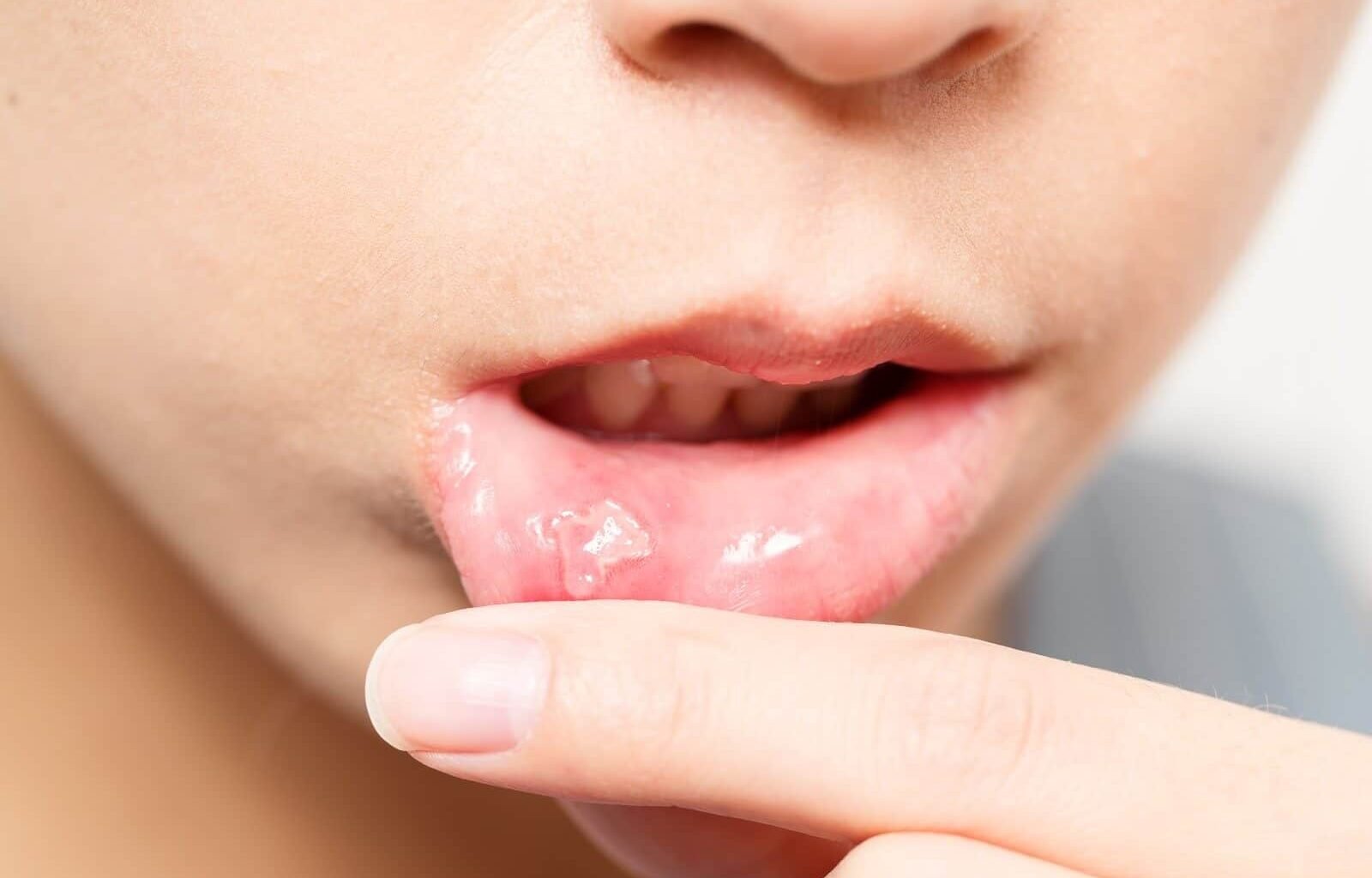
You woke up with a tiny sore in your mouth and now eating feels like a punishment.
Even drinking water stings. You keep poking it with your tongue even though you know you should not. And the big question sitting in your head is: how long does this thing last?
Good news: most canker sores go away on their own. No special treatment needed. But the healing time depends on the type you have and what you do while you wait.
In this article, you will learn the exact timeline for canker sore healing, the four stages your sore goes through, seven things that help it heal faster, and the warning signs that tell you it is time to see a doctor.
No fluff. Just the facts you need right now.
What Is a Canker Sore?
A canker sore is a small, painful ulcer that forms inside your mouth. Doctors call it an aphthous ulcer. It looks round or oval with a white or yellowish center and a red border around it.
You can get one on the inside of your cheek, under your tongue, on your gums, or on the soft part of the roof of your mouth.
Here is the most important thing to know first: a canker sore is NOT the same as a cold sore.
Cold sores are caused by the herpes simplex virus. They show up on the outside of your lip. Canker sores form inside your mouth and are not caused by any virus at all.
And here is something that gives most people real relief: canker sores are not contagious. You cannot spread them to someone else through kissing or sharing a drink.
According to the American Academy of Oral Medicine, canker sores affect about 20% of the general population at any given time. So if you have one right now, you are definitely not alone.
Now that you know what it is, let us talk about how long it actually sticks around.
How Long Do Canker Sores Last?
Here is the short answer: most canker sores go away in 7 to 14 days.
But the full answer depends on which type you have. There are three types and each one has a different healing time.
The Three Types and Their Healing Times
Minor Canker Sores
These are the most common type. They are small, usually less than 1 centimeter across. According to the Mayo Clinic, minor canker sores heal completely in 1 to 2 weeks with no scarring. Most people get this type.
Major Canker Sores
These are bigger and deeper. They are larger than 1 centimeter and can be very painful. The Mayo Clinic notes that major canker sores can take 4 to 6 weeks to heal and may leave a small scar behind.
Herpetiform Canker Sores
These are the least common type. They appear as clusters of many tiny sores that can merge together into one larger irregular shape. Despite the name, they have nothing to do with the herpes virus. They heal in about 7 to 14 days but they tend to come back more often.
| Type | Size | Healing Time | Leaves Scar? |
|---|---|---|---|
| Minor | Under 1 cm | 7 to 14 days | No |
| Major | Over 1 cm | 4 to 6 weeks | Sometimes |
| Herpetiform | Small clusters | 7 to 14 days | No |
MedlinePlus, a trusted service from the U.S. National Library of Medicine, confirms the same 7 to 14 day healing window for most people with minor sores.
Here is something that helps with the mental battle: the worst pain usually hits early and gets better fast. You do not have to feel this bad for the entire healing period.
The 4 Stages of a Canker Sore (So You Know Where You Are)
Canker sores do not just appear and disappear randomly. They go through four clear stages. Knowing where you are in the process makes the whole thing a lot less stressful.
1: The Tingle (Day 1)
Before you can even see the sore, you feel it. A burning, tingling, or itching sensation starts in one spot inside your mouth. This is your body signaling that a sore is forming.
The Cleveland Clinic notes that this prodromal phase starts 24 to 48 hours before the sore becomes visible. If you catch it here, starting a salt water rinse right away can sometimes reduce how bad the sore gets.
2: The Sore Appears (Days 1 to 3)
Now you can see it. A white or yellow spot appears with that red border around it. This is when the pain is at its worst. Eating, drinking, and talking can all be uncomfortable.
Do not poke it. Do not try to scrape it off. Just leave it alone as much as you can.
3: Healing Begins (Days 4 to 10)
This is the stage most people do not realize they have entered because the sore is still visible. But it is already getting smaller. The red border shrinks. The pain starts to fade.
You might still feel discomfort when spicy or acidic food touches it. But the peak pain is behind you now.
4: Complete Healing (Days 10 to 14)
The tissue closes over. The sore disappears. For minor canker sores, there is no scar and no lasting mark. You probably will not even remember which spot it was in a week.
For major sores, this stage takes longer, sometimes up to 6 weeks. And very large ones can leave faint scar tissue.
Once you hit Stage 3, the sore is already losing. Keep doing what you are doing and it will be gone before you know it.
7 Things That Make Canker Sores Heal Faster
You cannot make a canker sore disappear overnight. But you can cut the healing time down and kill the pain faster. Here are seven things that actually work.
1. Salt Water Rinse
This is the most recommended home remedy by the American Dental Association.
Mix half a teaspoon of salt into 8 ounces of warm water. Swish it around your mouth for 30 seconds. Spit it out. Do this three times a day.
Salt water reduces bacteria in your mouth and lowers inflammation around the sore. It stings for a few seconds but helps a lot.
2. Baking Soda Rinse
Mix one teaspoon of baking soda into half a cup of warm water. Use it as a rinse the same way you would use the salt water rinse.
Baking soda neutralizes acids in your mouth. Acids irritate the sore and slow down healing. This rinse creates a better environment for the tissue to repair itself.
3. Over-the-Counter Gels
Products like Orabase, Anbesol, and Kank-A are widely available at CVS, Walgreens, and Walmart. You can find them in 2026 without a prescription.
These gels create a protective coating directly over the sore. That coating blocks food, drink, and bacteria from making contact. It also numbs the area so you get real pain relief.
Apply a small amount with a clean finger or cotton swab. Follow the directions on the package.
4. Diluted Hydrogen Peroxide
Mix equal parts hydrogen peroxide and water (50/50). Use a cotton swab to dab this mixture directly onto the sore.
Hydrogen peroxide kills bacteria on contact. It helps keep the sore clean so your body can focus on healing instead of fighting infection.
Do not swallow it. And do not use full-strength hydrogen peroxide. Always dilute it first.
5. Avoid These Foods While Healing
Some foods actively slow down healing because they irritate the open sore tissue.
Avoid these while your sore heals:
- Citrus fruits (oranges, lemons, tomatoes)
- Spicy foods
- Chips and hard crackers with sharp edges
- Coffee and carbonated drinks
- Salty snacks
Stick to soft, mild foods like yogurt, mashed potatoes, oatmeal, and smoothies. Your sore will thank you.
6. Do Not Touch It
This sounds simple but it is harder than it sounds. Most people keep pressing the sore with their tongue or poking it with a finger to check if it is still there.
Every time you do that, you disrupt the healing tissue. You also risk introducing new bacteria into an open wound.
Hands off. Tongue off. Let it heal.
7. Stay Hydrated
Dry mouth makes canker sores worse. When your mouth lacks moisture, bacteria levels rise and the tissue around the sore gets irritated faster.
Drink water consistently throughout the day. Avoid alcohol and excessive caffeine while the sore is healing since both dry out your mouth.
Pick two or three of these habits and start today. Stacking them works better than doing just one.
Why Do Canker Sores Keep Coming Back?
If you keep getting canker sores every few weeks, your body is trying to tell you something.
Getting one random sore once in a while is normal. But if they keep showing up, there is usually a pattern. Here are the most common triggers.
Stress
This is the number one trigger for most people. When you are under heavy stress, your immune system gets weaker. Your body becomes less effective at protecting the soft tissue in your mouth.
Think back to when your last three sores appeared. Were you stressed at school, work, or home? There is a good chance the answer is yes.
Hormonal Changes
Many women notice canker sores appearing right before or during their menstrual cycle. This is because hormonal shifts can affect the mucous membranes in your mouth.
Nutritional Deficiencies
This one surprises a lot of people. A 2014 study published in the British Journal of Oral and Maxillofacial Surgery found that up to 47% of people with recurring canker sores had nutritional deficiencies. The most common were low levels of:
- Vitamin B12
- Folate (Vitamin B9)
- Iron
- Zinc
If you get canker sores often, ask your doctor to check your blood levels. A simple supplement might be the fix.
Toothpaste Ingredients
Some people react badly to sodium lauryl sulfate (SLS), a foaming ingredient found in many standard toothpastes. It can irritate the lining of your mouth and trigger sores.
Try switching to an SLS-free toothpaste for a month and see if the frequency of your sores drops. Brands like Sensodyne Pronamel and Biotene do not contain SLS.
Food Sensitivities
Citrus fruits, strawberries, chocolate, coffee, and spicy foods can trigger sores in sensitive people. Gluten can also be a trigger for people with undiagnosed celiac disease.
Mouth Injuries
Biting the inside of your cheek, aggressive tooth brushing, sharp food edges, or rough dental work can all cause a canker sore to form at the injury site.
Underlying Health Conditions
Conditions like Crohn’s disease, celiac disease, and lupus can cause recurring mouth sores as one of their symptoms. The National Institute of Dental and Craniofacial Research (NIDCR) confirms that recurrent aphthous stomatitis affects between 5% and 66% of people at some point in their lives, with some cases linked to immune system issues.
Here is a quick checklist. Check which of these apply to you:
- I was under stress when the sore appeared
- I had my period in the same week
- I have not eaten well recently
- I ate a lot of citrus or spicy food
- I accidentally bit my cheek
- I get sores very often (more than three times a year)
Finding your trigger is the real fix. Stop chasing the sore and start looking at the pattern.
When Should You See a Doctor About a Canker Sore?
Here is the honest truth. Most canker sores will heal on their own and you never need a doctor. But some mouth sores are a sign of something more serious.
See a doctor or dentist if any of these apply:
- The sore has not healed after 2 weeks. A normal canker sore should be gone by day 14.
- The sore is larger than 1 centimeter. That is about the size of your pinky fingernail.
- You have a high fever along with the sore.
- You have multiple large sores at the same time.
- Sores keep coming back every few weeks with no clear reason.
- The pain is so severe that you cannot eat or drink properly.
The most important warning sign:
If you have a sore that is hard to the touch, painless, located on the side of your tongue, and it does not heal within two weeks, see a doctor or dentist right away.
This is different from a standard canker sore. A hard, painless sore that does not go away can be an early sign of oral cancer.
The American Cancer Society reports that oral cancer affects over 54,000 Americans each year (2024 data). The good news is that when it is caught early, treatment is far more effective. Many cases are first spotted during a routine dental visit.
A sore that looks and feels like a normal canker sore almost certainly is one. But if something does not feel right to you, trust that feeling and get it checked.
It takes 10 minutes and gives you real peace of mind.
5 Myths About Canker Sores That Are Simply Not True
There is a lot of bad information out there about canker sores. Some of it is harmless. Some of it can actually make your sore worse. Let us clear it up right now.
1: Canker Sores and Cold Sores Are the Same Thing
They are not. Cold sores are caused by the herpes simplex virus. They appear on the outside of your lip. Canker sores form inside your mouth and are not caused by any virus. They are completely different conditions with different causes and different treatments.
2: Canker Sores Are Contagious
False. You cannot spread a canker sore to another person. There is no virus to pass on. You can kiss someone or share a fork and not give them your canker sore.
3: Nothing Helps. You Just Have to Wait.
This is not true. Salt water rinses, baking soda rinses, OTC gels, avoiding trigger foods, and staying hydrated all help. They will not make the sore vanish overnight but they absolutely cut healing time and reduce pain.
4: Canker Sores Mean You Have a Serious Disease
Getting one canker sore does not mean something is wrong with your health. Most sores are caused by everyday things like stress, minor injuries, or food sensitivities. One sore, one time, is almost always harmless.
5: Popping or Scraping the Sore Helps It Heal Faster
This is the most damaging myth of all. Scraping or popping a canker sore does NOT help it heal. It makes it worse. You tear the healing tissue and open the wound to new bacteria. This can make the sore bigger, more painful, and slower to heal.
Leave it alone. That is the best thing you can do.
Knowing what is true helps you stop wasting time on things that do not work and put your energy into what actually does.
The Bottom Line
Here is everything pulled together in one place.
Most canker sores heal in 7 to 14 days. Major sores can take up to 6 weeks. The pain is worst in the first 3 days and gets better from there. You go through four stages: the tingle, the sore appearing, the healing phase, and then complete recovery.
You can speed up healing with salt water rinses, baking soda rinses, OTC gels, hydrogen peroxide dabbed directly on the sore, and by avoiding spicy and acidic foods. And the single most important thing you can do is stop touching it.
If you keep getting canker sores, look for a pattern. Stress, nutritional deficiencies, and toothpaste ingredients are the most commonly missed triggers.
Start with the salt water rinse today. Write down what day the sore appeared. Track it. If it is still there after 14 days, book an appointment.
Now you know exactly how long canker sores last and what to do while you wait. You do not have to just suffer through the pain. Take action today and your mouth will feel better sooner than you think.