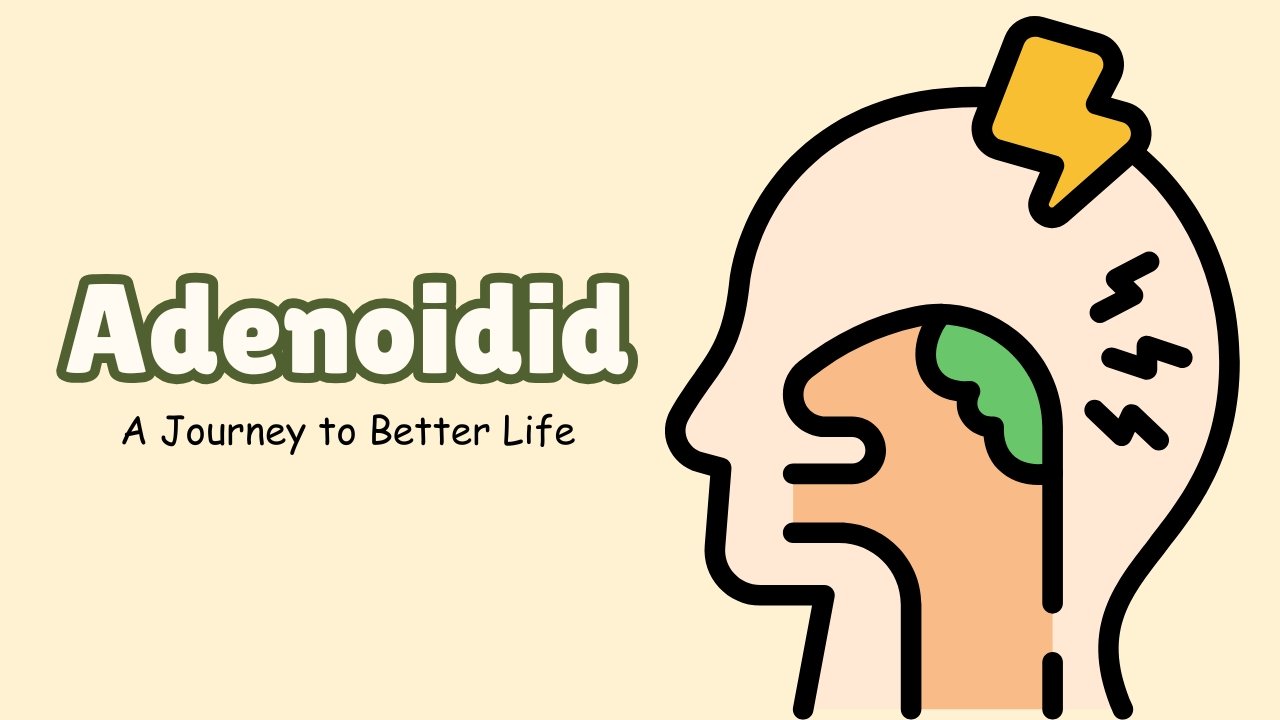
Adenoidid might not be a term you hear every day, but they play a crucial role in your health, especially during childhood. Nestled at the back of the throat, these small masses of lymphatic tissue help your body fight infections. However, like any other part of our anatomy, they can sometimes cause problems when they become enlarged or infected.
Many people are unaware that their adenoids can lead to various symptoms and complications if left untreated. From breathing difficulties to sleep disturbances, understanding this often-overlooked area is essential for maintaining overall wellness. So let’s dive into what adenoids are all about—exploring their functions, recognizing common signs of trouble, and examining treatment options available for those dealing with adenoid-related issues.
What are the Functions of Adenoidid?
Adenoids play a crucial role in the immune system, especially during childhood. Located at the back of the nasal cavity, they act as a first line of defense against pathogens that enter through the nose.
These glands help filter out bacteria and viruses. By trapping these harmful invaders, adenoids prevent infections from spreading to other parts of the body.
Moreover, adenoids produce antibodies that strengthen immune responses. This function is vital during early years when children’s immune systems are still developing.
As children grow older, their bodies become better equipped to handle infections. Consequently, adenoid tissue often shrinks and may even become less significant over time.
While they serve an important purpose in youth, enlarged adenoids can lead to complications like breathing difficulties or frequent ear infections if not addressed promptly.
Common Symptoms of Enlarged Adenoidid
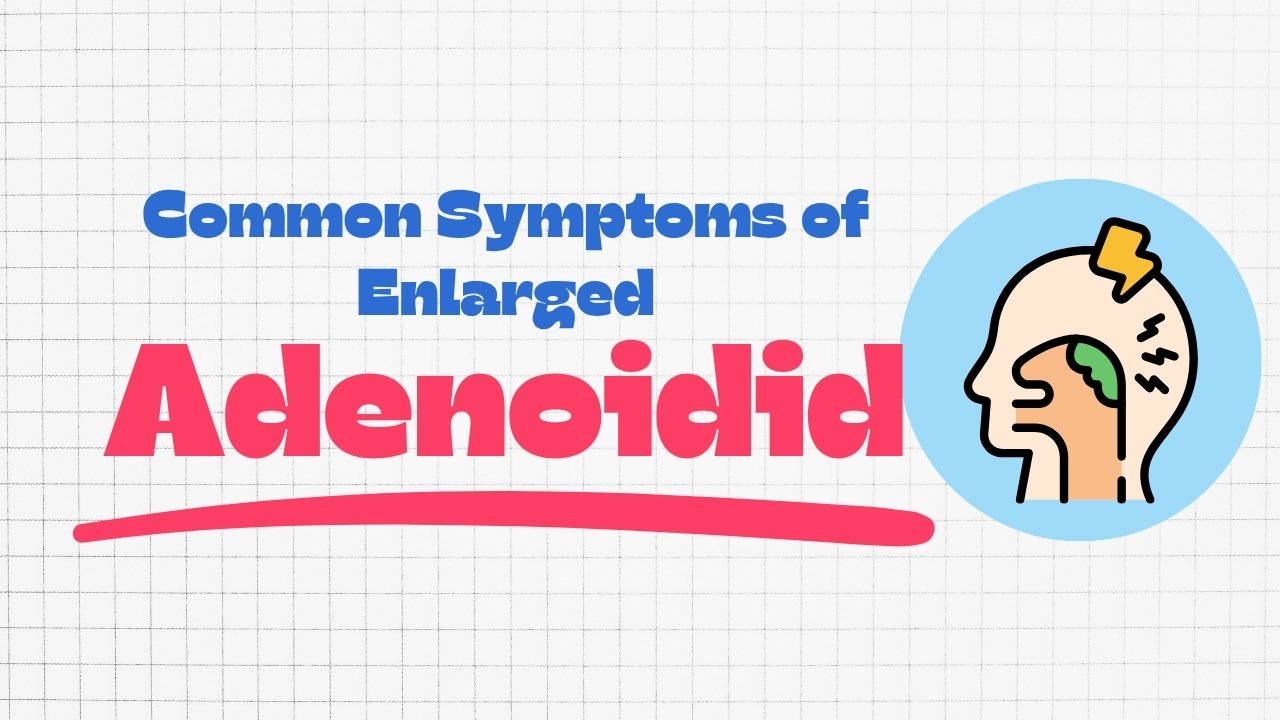
Enlarged Adenoidid can lead to a range of symptoms that may affect daily life. One of the most noticeable signs is nasal congestion. This blockage often makes breathing through the nose difficult, prompting mouth breathing instead.
Children with enlarged adenoids might experience frequent ear infections or fluid buildup in the ears. The connection between adenoids and ear health is crucial, as inflammation can hinder proper drainage.
Snoring during sleep is another common symptom. It occurs due to restricted airflow caused by swollen tissue in the throat area. This disruption can also lead to sleep disturbances.
Additionally, persistent bad breath could signal an issue with the adenoids, as bacteria thrive in areas where airflow is limited. If you notice these symptoms, seeking advice from a healthcare provider may be beneficial for your child’s well-being and comfort.
Diagnosis and Treatment Options for Adenoidid
Diagnosing adenoiditis typically begins with a thorough medical history and physical examination. Doctors will look for enlarged adenoids through visual inspection or imaging techniques, like X-rays, if necessary. Symptoms such as chronic nasal congestion and frequent ear infections can signal the need for further investigation.
Treatment options vary based on the severity of symptoms. For mild cases, doctors may recommend monitoring the situation while suggesting over-the-counter medications to relieve discomfort. Nasal corticosteroids might also be prescribed to reduce inflammation.
In more severe instances, antibiotics may be required if a bacterial infection is present. Persistent issues often lead healthcare providers to consider surgical intervention, specifically adenoidectomy—the removal of the adenoids—especially when they cause significant health problems. This procedure is generally safe and effective in alleviating symptoms related to enlarged adenoids.
Surgery for Enlarged Adenoidid: What to Expect
Surgery for enlarged Adenoidid, known as adenoidectomy, is a common procedure. It’s often recommended when other treatments fail to relieve symptoms.
Before the surgery, your healthcare provider will explain the process in detail. They’ll discuss anesthesia options and what you can expect during recovery.
The operation usually takes about 30 minutes and is performed under general anesthesia. Your child may feel groggy afterward but should be back to normal within a few hours.
Post-surgery care is important. Expect some discomfort and possible bleeding for a day or two after the procedure. Soft foods and plenty of fluids are encouraged during recovery.
It’s crucial to monitor for signs of infection or excessive pain following the surgery. Regular follow-ups with your doctor will help ensure everything heals properly without complications.
Home Remedies and Tips for Managing Adenoiditis
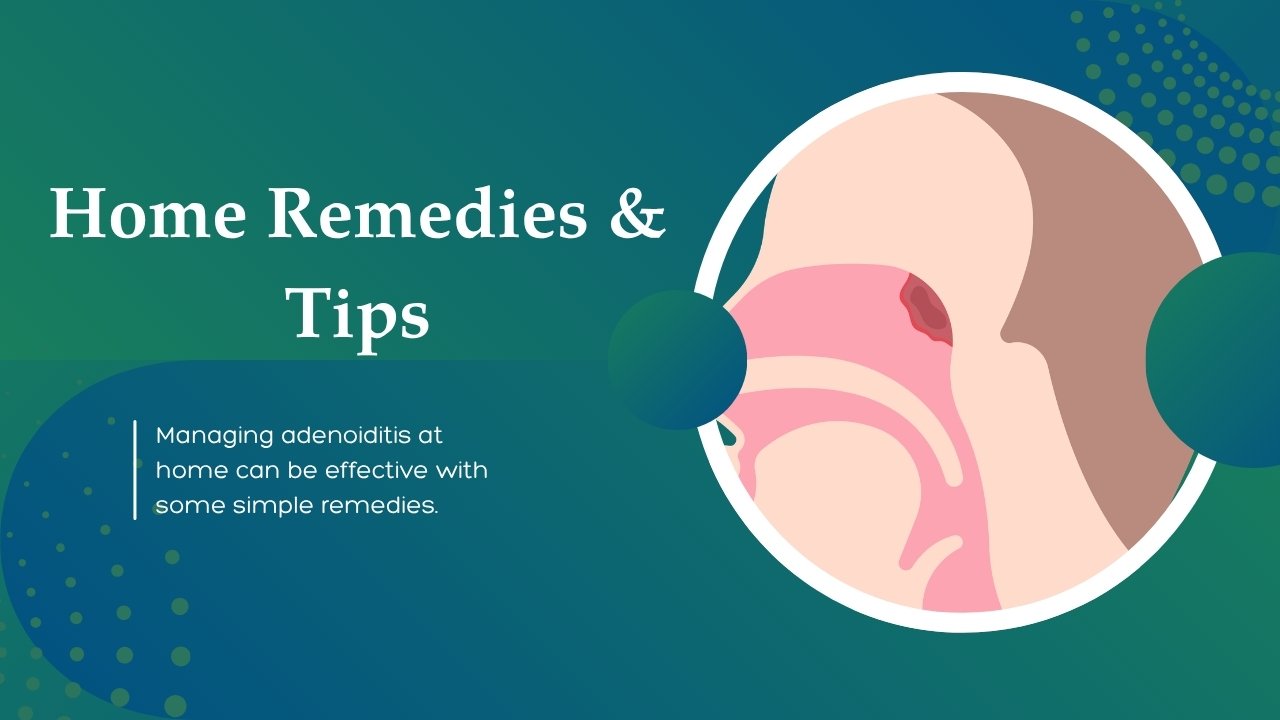
Managing adenoiditis at home can be effective with some simple remedies. Start by keeping your child’s surroundings humid. A cool-mist humidifier in their room can ease breathing and soothe irritated nasal passages.
Warm saltwater gargles are another option. This method helps reduce inflammation and discomfort in the throat, making swallowing easier.
Encourage plenty of fluids to keep mucus thin and help clear congestion. Warm broths or herbal teas can be particularly soothing for children suffering from symptoms.
Elevating the head during sleep may also provide relief. Use extra pillows to help prevent nighttime breathing difficulties caused by enlarged adenoids.
A balanced diet rich in fruits and vegetables boosts immune function, which is essential when fighting off infections that might aggravate adenoid issues.
Conclusion
Adenoidid play a crucial role in our immune system, especially during childhood. Understanding their function and the potential issues that can arise from enlarged adenoids is essential for parents and caregivers.
If you notice symptoms like nasal congestion, difficulty breathing through the nose, or recurrent ear infections in your child, it might be time to consult a healthcare professional. Early diagnosis can lead to more effective treatment options.
There are various approaches to treating adenoiditis, ranging from medication to surgical intervention. Each option has its benefits and considerations. Surgery may seem daunting, but understanding what to expect can ease anxiety for both children and parents alike.
Home remedies offer supportive care and comfort while managing symptoms related to adenoiditis. Simple changes at home can make a significant difference in your child’s quality of life.
Staying informed about the functions, symptoms, and treatments surrounding adenoids empowers you as a caregiver. This knowledge enables proactive management of any challenges that may arise with this small yet vital part of the body’s immune defense system.