
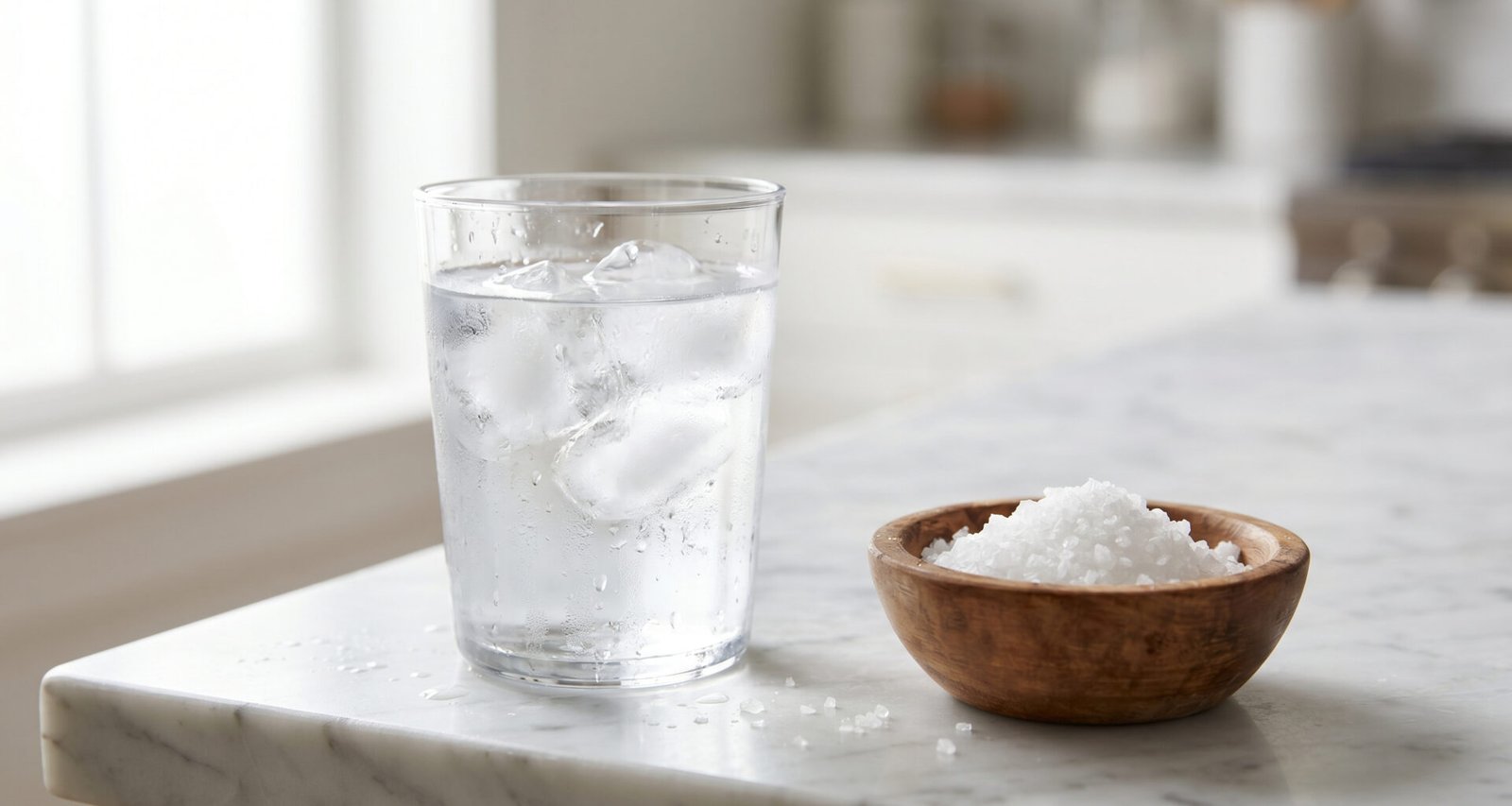
You’ve probably heard it before. “Don’t eat too much salt. It’ll dry you out.”
But here’s the thing. That’s not exactly how it works.
Salt doesn’t dehydrate you the way most people think. In fact, sometimes you actually need salt to stay hydrated. Confusing, right?
Let’s clear this up once and for all.
What Happens When You Get Dehydrated
First, you need to know what dehydration really means.
Dehydration happens when your body loses more water than it takes in. Your body needs water for everything. It helps your heart pump blood. It keeps your temperature normal. It moves nutrients where they need to go.
When you don’t have enough water, things go wrong. You feel tired. Your head hurts. You get dizzy. Your mouth feels like sandpaper.
Your body is picky about balance. It wants just the right amount of water in just the right places.
And that’s where salt comes in.
How Salt and Water Work Together
Salt is made of sodium and chloride. Your body needs sodium to survive.
Sodium does a lot of important jobs. It helps your nerves send signals. It makes your muscles work. It keeps the right amount of water in your blood.
Here’s the key thing. Water follows sodium. Wherever sodium goes, water goes too.
Think of sodium like a magnet for water. When you have more sodium in your blood, your body holds onto more water. When you have less sodium, your body releases water.
This process is called osmosis. Big word, simple idea. Water moves to balance things out.
So Does Salt Dehydrate You or Not?
The answer is: it depends.
Salt doesn’t make you lose water. That’s the first thing to understand. You won’t pee out more water just because you ate something salty.
Actually, salt does the opposite. It makes your body hold onto water.
But eating salty foods does make you thirsty. Really thirsty. Your body is smart. When there’s too much salt in your blood, your brain screams “DRINK WATER!”
That thirsty feeling isn’t dehydration yet. It’s your body asking for water before dehydration happens.
The problem starts when you ignore that thirst. If you eat a ton of salt and don’t drink enough water, then you can get dehydrated. The salt isn’t directly causing it. You’re just not drinking enough to match what your body needs.
When Salt Makes Dehydration Worse
Some situations make the salt problem bigger.
Say you’re already dehydrated from sweating all day. Then you eat a bunch of salty chips without drinking water. Your body needs water badly, but now it also has to deal with all that sodium. This makes you feel worse.
Or imagine you’re sick with a stomach bug. You’re losing water fast. If you only eat salty crackers without drinking, you’re not helping yourself.
People with certain health problems need to be extra careful. If your kidneys don’t work well, they can’t balance salt and water properly. Same goes for some heart conditions.
In hot weather, salt can be tricky. You sweat out both water and salt. If you only replace the salt and not the water, you’ll feel awful.
When Salt Actually Helps You Stay Hydrated
Now here’s the twist. Sometimes you need salt to hydrate properly.
When you sweat a lot, you lose salt. If you only drink plain water after a hard workout, you might feel sick. Your blood gets diluted. You need both water and salt to recover.
This is why sports drinks have sodium in them. It’s not a marketing trick. The salt helps your body absorb the water faster.
Doctors use this trick too. When someone is really dehydrated, hospitals give them special drinks with salt and sugar. These oral rehydration solutions work better than plain water.
Athletes who run marathons or play sports for hours know this well. Drinking too much plain water can actually be dangerous. It dilutes the salt in your blood too much. This condition is called hyponatremia. Hyponatremia can be dangerous. It can make you very sick.
The salt helps water get where it needs to go. Your cells can use the water better when sodium is there to help.
How Much Salt Should You Eat?
Most health experts say adults need about 1,500 mg of sodium per day, according to the recommended daily sodium intake guidelines. They say you shouldn’t go over 2,300 mg.
That’s about one teaspoon of salt total for the whole day.
But here’s the reality. Most Americans eat way more than that. The average person eats around 3,400 mg of sodium daily.
Where does all that salt come from? Not your salt shaker, usually.
Most salt hides in processed foods, as hidden sources of sodium in common foods. Bread has salt. Cheese has a ton of salt. Canned soup can have your whole day’s worth of salt in one bowl. Restaurant food is loaded with it.
You might be eating lots of salt without even tasting it.
Signs you’re eating too much salt include constant thirst, swelling in your hands or feet, and high blood pressure. Your rings might feel tight. Your shoes pinch by the end of the day.
Can You Eat Too Little Salt?
Yes, and it’s not good.
Your body needs some sodium. Without it, bad things happen.
You might feel weak and tired. Your muscles cramp up. You get confused or dizzy. In serious cases, you can have seizures.
Most people don’t need to worry about eating too little salt. It’s pretty hard to do. Salt is in almost everything.
But some people are at risk. Athletes who sweat heavily and only drink water. Older adults who don’t eat much. People taking certain medications that make them pee more.
The key is balance. Not too much, not too little.
How to Stay Hydrated the Right Way
Here’s what actually works.
Drink water when you’re thirsty. Your body is pretty good at telling you what it needs. That thirsty feeling exists for a reason.
If you’re just sitting around all day, plain water is fine. You don’t need to worry much about salt.
But if you’re sweating a lot, you need both water and salt. Drink water or a sports drink. Eat a small snack with some salt in it. A few pretzels work great.
Check your pee. This sounds weird, but it works. Light yellow is perfect. Dark yellow means drink more water. Clear as water means you might be drinking too much.
Eat real food. Fruits and vegetables have water in them. They also have potassium, which works with sodium to keep you balanced. Bananas, oranges, and potatoes are great choices.
Don’t wait until you’re super thirsty to drink. Sip water throughout the day.
If you exercise for more than an hour, add some salt back in. A sports drink works. So does water plus a salty snack.
Common Lies About Salt and Water
Let’s bust some myths.
Myth: Salt always dehydrates you.
Wrong. Salt makes your body hold water, not lose it. The thirst you feel is your body asking for more water to balance the salt.
Myth: Never eat salt when you’re dehydrated.
Also wrong. If you’re dehydrated from sweating, you need both water and salt to recover properly.
Myth: Just drink more water and you’ll be fine.
Not always. If you lost a lot of salt through sweat and only drink water, you can make yourself sick. You need balance.
Myth: Sea salt or pink salt is better for hydration than regular salt.
Nope. Salt is salt. Your body can’t tell the difference. They all have sodium, and that’s what matters for hydration.
Special Cases You Should Know About
Athletes need to think about salt more than regular people. If you play sports for hours or run long distances, you lose a lot of salt in your sweat. Replace it.
Older adults often don’t feel thirsty even when they need water. They also might be on medications that affect salt balance. If you’re older or care for someone who is, pay extra attention to both water and salt intake.
People with heart disease, kidney problems, or high blood pressure need to watch their salt carefully. Too much can cause serious problems. Follow your doctor’s advice on this one.
Kids need less salt than adults. Their bodies are smaller. But they also need some, especially if they’re active.
What You Need to Remember
Salt doesn’t dehydrate you by making you lose water.
It makes you thirsty, which is your body’s way of asking for more water to balance things out.
The real problem happens when you eat salt but ignore your thirst. Then you can get dehydrated.
Salt actually helps with hydration when you’re sweating a lot. You need both water and salt to recover properly.
Most people eat too much salt from processed foods. But some people, especially athletes, might need more salt than they think.
The answer isn’t to avoid salt completely. It’s to find the right balance for your body and your activity level.
Listen to your thirst. Drink enough water. Eat a balanced diet with some salt but not too much.
Your body is smarter than you think. It will tell you what it needs. You just have to pay attention.
Next time someone tells you salt will dehydrate you, you can set them straight. It’s not that simple. And now you know why.
Your Questions Answered
Can salty foods make you dehydrated?
Salty foods make you thirsty, not dehydrated. If you drink water when you feel thirsty, you’ll be fine. Problems only happen when you eat lots of salt but don’t drink enough water.
Should I add salt to my water?
Only if you’re sweating a lot from exercise or heat. For normal daily life, plain water works fine. A tiny pinch of salt in your water after a long workout can help you rehydrate faster.
How does salt affect your kidneys?
Your kidneys control salt and water balance. Too much salt makes them work harder. Over many years, this can damage them, especially if you already have kidney problems.
What are the best sources of sodium for hydration?
After hard exercise, sports drinks work well. Regular food with natural sodium also helps, like cheese, pickles, or broth. You don’t need anything fancy.
Can you drink too much water?
Yes. Drinking way too much water dilutes the salt in your blood. This is rare for normal people but can happen to marathon runners or people doing extreme challenges. Symptoms include nausea, headache, and confusion. If this happens, you actually need salt, not more water.